THE CREATINE SERIES
How Much Creatine Should Women Take?
For many adults using creatine monohydrate, 3–5 grams per day is a common maintenance range used in research. Loading is optional, not required. This is general evidence for adults, not individualized medical advice.
How much creatine should a woman take per day?
That range is commonly used as a maintenance dose in creatine research. Your product label and individual circumstances still matter, but most people do not need to calculate an elaborate women-specific formula just to build a consistent creatine routine.
Creatine is not an ingredient where women automatically need a dramatically smaller dose simply because they are women. Much of the practical dosing guidance is based on increasing and maintaining muscle creatine stores.
New to creatine entirely? Read our Creatine for Women guide first. Wondering when to take it? See Creatine Before or After Workout?
Daily dosage at a glance
| Decision | Practical approach |
|---|---|
| Steady daily intake | 3–5 g creatine monohydrate per day is a common adult maintenance range. Check the product’s serving directions. |
| Optional loading | A loading phase can raise muscle stores faster, but it is not required. See the creatine loading phase guide for that separate protocol. |
| Consistency | Choose a daily routine you can repeat. Timing around a workout is a separate question; see our creatine timing guide. |
| Check with a clinician | Ask for individual guidance if you have kidney disease or another medical condition, take medications, are pregnant or breastfeeding, or have a clinician-directed nutrition plan. |
Is 5 grams of creatine too much for women?
Five grams per day is a commonly used maintenance amount in research and is within the range frequently discussed in sports-nutrition guidance. That does not mean every individual needs exactly 5 g, but it is not inherently a “men’s dose.”
One scoop keeps the amount easy to see and easy to repeat—without weighing powder on a kitchen scale.
Does your weight change how much creatine you need?
Some research protocols use body-weight-based dosing, especially during loading phases. For everyday maintenance, however, fixed daily amounts such as 3–5 g are widely used and much easier to follow.
If you have a specific medical condition, are pregnant or breastfeeding, take medications, or have been given individualized nutrition guidance, talk with a qualified healthcare professional before adding a supplement.
Do women need a creatine loading phase?
No. A loading phase is one way to increase muscle creatine stores more quickly, but it is not required to use creatine. For the protocol details, read our creatine loading phase for women guide.
Taking a maintenance amount consistently can also increase stores; it simply takes longer. For a lifestyle-focused routine, skipping the loading phase may be simpler.
The easiest way to make creatine consistent
Choose your amount
Follow the label; 3–5 g/day is a common maintenance range.
Choose your anchor
Breakfast, your gym bottle, or your post-workout routine.
Repeat it
Consistency matters more than turning supplementation into homework.
ONE SCOOP. DONE.
Daily Strength
Each serving provides 5 g creatine monohydrate plus sodium, potassium and magnesium for a combined creatine + hydration routine.*
Shop Daily Strength →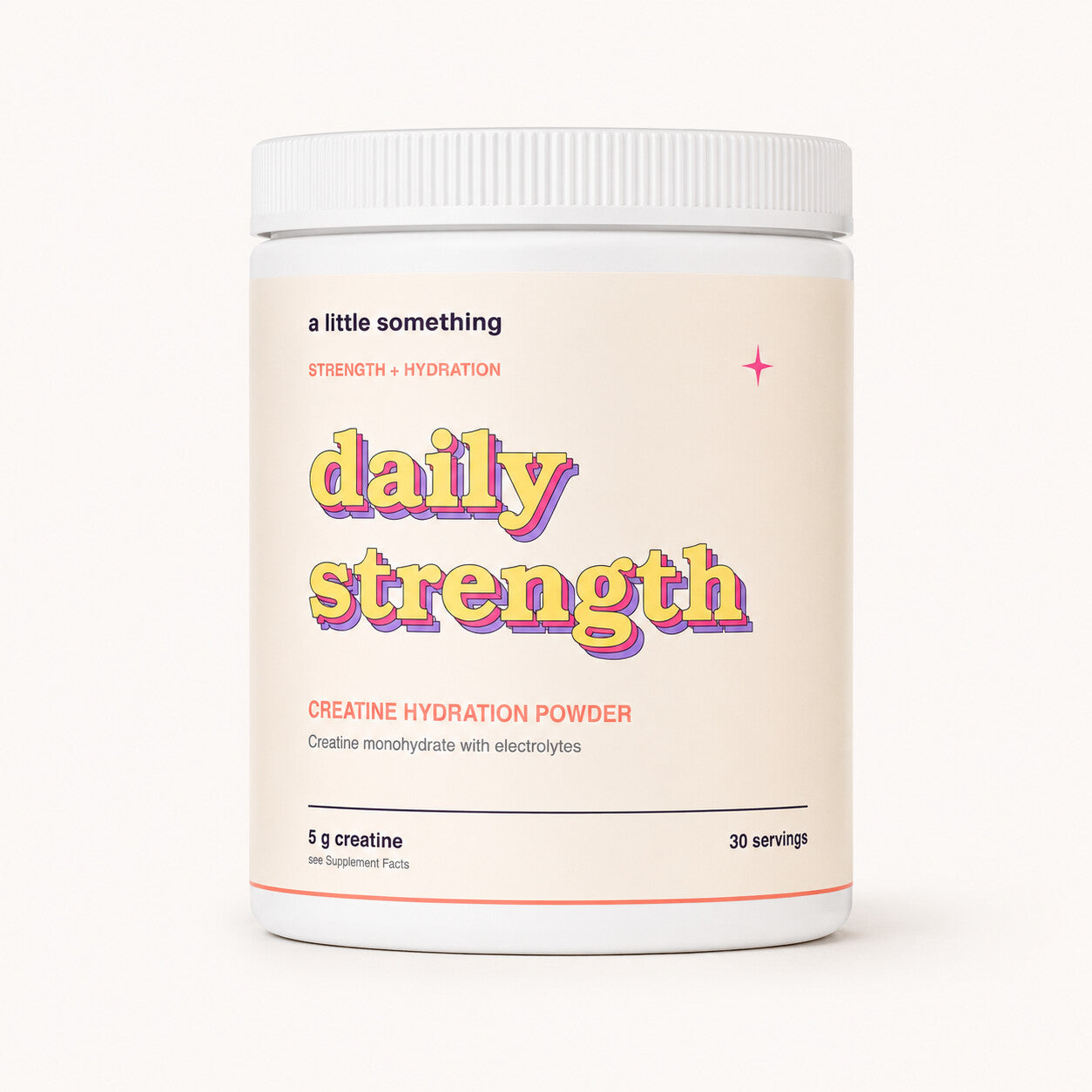
Creatine dosage FAQs
How much creatine should a woman take a day?
For many adults, 3–5 g of creatine monohydrate daily is a commonly studied maintenance range. Follow the product label and seek individual guidance when medical circumstances call for it.
Do women need a creatine loading phase?
No. A loading phase is optional; 3–5 g daily can increase muscle creatine stores over time. See our loading phase guide for the research protocol.
Does creatine dosage depend on workout timing?
The usual maintenance amount does not need to change because of workout timing. A repeatable daily routine matters more; read the timing guide for that question.
KEEP LEARNING
Your creatine questions, answered.
Creatine for Women: complete guide →Creatine before or after workout? →Does creatine make women gain weight? →Creatine and bloating →Sources
NIH Office of Dietary Supplements: Dietary Supplements for Exercise and Athletic Performance (creatine dosing and safety); Antonio et al., 2021, Journal of the International Society of Sports Nutrition (maintenance dosing and optional loading). Accessed September 2026.
*These statements have not been evaluated by the Food and Drug Administration. Educational content only; not intended to diagnose, treat, cure, or prevent disease.