THE CREATINE SERIES
Creatine Before or After Workout? What Actually Matters
If you’re trying to decide whether creatine belongs in your pre-workout or post-workout routine, the practical answer is refreshingly simple: taking it consistently matters more than obsessing over the clock.
The short answer
If taking it with your pre-workout drink helps you remember it, that’s a good routine. If adding it to your post-workout shake is easier, that works too. And if you train at different times throughout the week, you do not need to reorganize your day around your creatine scoop.
For the bigger picture on dosing, loading and what creatine does, start with our complete creatine for women guide.
Why consistency matters more than timing
Creatine is different from something like caffeine. You are not taking it because you need an immediate effect during the next hour. The goal is to maintain increased creatine availability in muscle over time.
That is why common creatine protocols focus on daily intake. The NIH Office of Dietary Supplements describes research protocols that often use a loading period followed by about 3–5 grams per day, while a loading phase itself is optional.
A repeatable habit beats a “perfect” timing strategy you only follow three days a week.
Can you take creatine before a workout?
Yes. There is nothing inherently wrong with taking creatine before training. For some people, attaching creatine to an existing pre-workout ritual makes daily use easier to remember.
Just do not confuse taking creatine before exercise with needing it to “kick in” before the workout. Its role is not the same as a stimulant-based pre-workout.
Is creatine better after a workout?
Some studies have explored whether post-exercise creatine could offer an advantage, but the evidence is not strong enough to establish a universal post-workout rule. Small timing studies should not outweigh the much larger body of evidence supporting consistent creatine use.
Post-workout can still be a convenient choice. If you already make a protein shake or hydration drink after training, adding your creatine habit to that routine can reduce the number of things you have to remember.
What about rest days?
Creatine is generally used consistently rather than only on workout days. A rest day does not suddenly eliminate the reason for maintaining your normal routine.
If your usual trigger is “take creatine after I work out,” create a second trigger for non-training days—breakfast, lunch or another habit you already repeat daily.
A simpler creatine routine
Pick a daily anchor
Breakfast, your gym bottle or your post-workout shake.
Use a straightforward dose
Follow your product label. Daily Strength provides 5 g creatine monohydrate per serving.
Stop chasing perfect timing
Build the habit you can actually repeat.
MAKE IT ONE LESS THING
Daily Strength
5 g creatine monohydrate plus sodium, potassium and magnesium in one lemon-flavored scoop—built to make a daily creatine + hydration routine easier to repeat.*
Shop Daily Strength →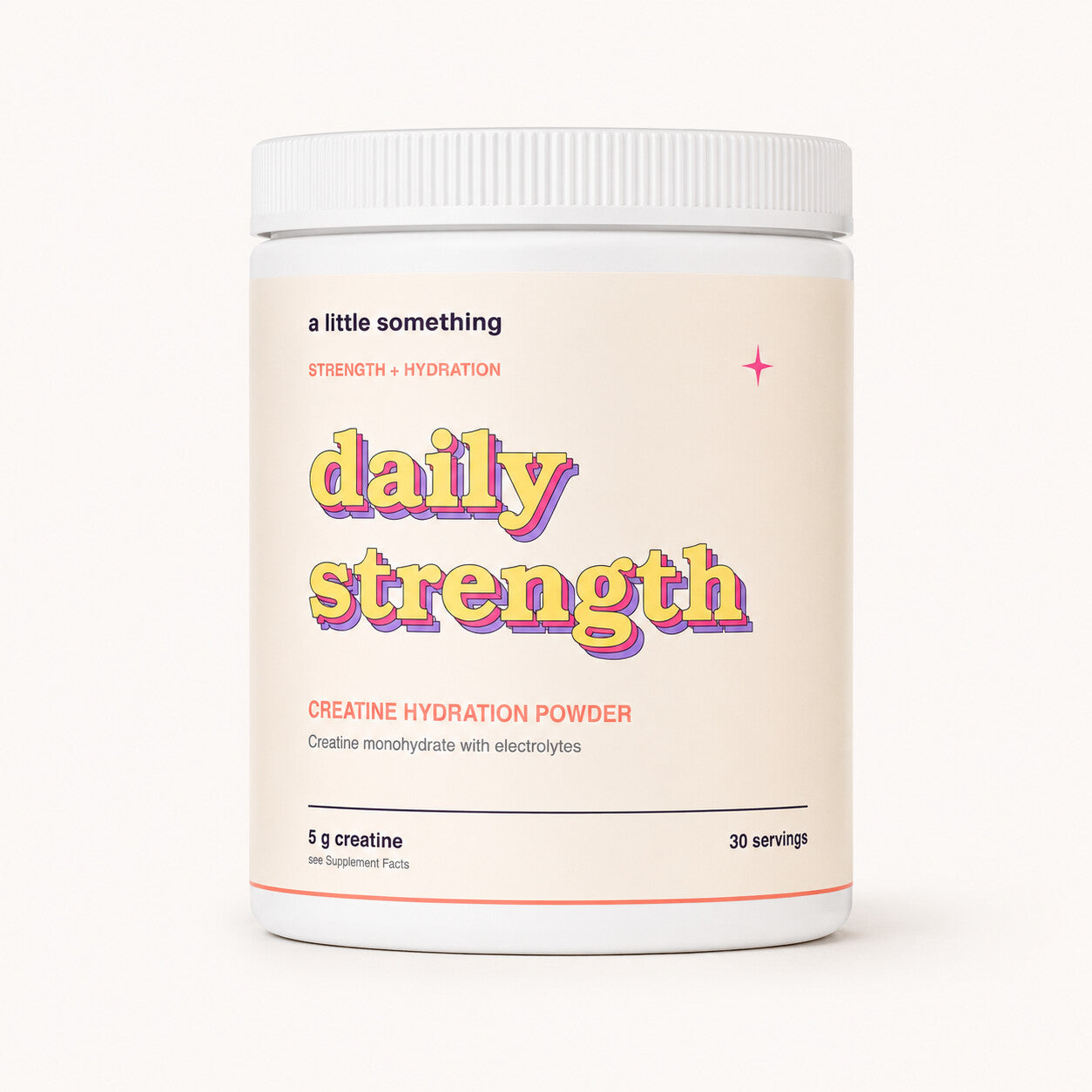
Creatine timing FAQs
How long before a workout should I take creatine?
You do not need to target a precise pre-workout window. If before training is the easiest time to remember your daily creatine, take it according to your product’s serving directions.
Can I take creatine with protein?
Creatine and protein serve different nutritional roles and are commonly used within the same training routine. Follow the labels of the products you use and consider your overall diet and circumstances.
Can I take creatine at night?
Creatine does not need to be taken immediately around a workout. If evening is the time you can use it most consistently, the clock itself is not a reason to skip it.
Should I take creatine on days I don’t work out?
Creatine protocols generally emphasize consistent intake, including non-training days, rather than using it only immediately around workouts.
KEEP LEARNING
Creatine, without the gym-bro homework.
Creatine for Women: Benefits, Dose & Timing →Next in this series: How Much Creatine Should Women Take?Sources
National Institutes of Health Office of Dietary Supplements, Dietary Supplements for Exercise and Athletic Performance. International Society of Sports Nutrition position stand on creatine supplementation. Timing-specific evidence remains limited; this guide does not present pre- or post-workout timing as established superiority.
*These statements have not been evaluated by the Food and Drug Administration. This content is educational and is not intended to diagnose, treat, cure, or prevent any disease.