The short answer
Whey protein for women, in plain terms
Whey is a convenient source of dietary protein, not a women-only formulation. It can be useful when your regular meals leave a protein gap, but a powder is optional if food already covers your needs. Whey is derived from milk and provides all essential amino acids.
Start with your day
When does whey fit your routine?
Start with your usual meals and your total daily protein intake. Your needs vary with body size, age, activity and diet. If breakfast or a busy day leaves a gap, a serving of whey can help fill it without replacing a balanced meal. For the numbers, see how much protein women need per day.
A quick label check
How to choose a whey protein
Protein per serving
Compare the grams of protein with the serving size so you know what one scoop actually contributes.
Isolate or concentrate
Isolate is typically more protein-dense and lower in lactose; concentrate often costs less. The finished product label matters more than the name alone. See our whey isolate vs. concentrate comparison for the detailed tradeoffs.
Added sugar and sweeteners
Check the nutrition panel and ingredient list for the amounts and sweeteners that suit your preferences.
Dietary tolerance
Whey comes from milk. Isolate often contains less lactose, but it is not guaranteed lactose-free; whey is unsuitable for a milk-protein allergy.
Flavor and routine fit
Choose a taste and format you would actually use, whether mixed with water, milk, or a smoothie. A powder that fits breakfast or an occasional snack may be more useful than one that sits unopened.
Ingredient transparency
Look for a clear protein source, serving size and complete ingredient list rather than relying on “for women” on the front of the package.
Keep it simple
When should you have it?
There is no need to race a narrow post-workout clock. Total daily intake and a routine you can maintain usually matter more than a precise minute. If a meal already supplies protein, another shake may be unnecessary. See our before or after a workout guide when timing is your main question. If you mix Pilates, running and strength work, our protein guide for those activities covers how training changes the broader picture.
A couple of common questions
Frequently asked questions
Is whey protein good for women?
It can be a convenient way to add protein when food intake falls short. Women do not need a special whey formula simply because they are women, and anyone already meeting their needs through food may not need a powder.
How do I choose a whey protein?
Compare protein per serving, serving size, isolate or concentrate, added sugar and sweeteners, the ingredient list, your dairy tolerance, and whether you like the flavor enough to use it. If you have a milk-protein allergy, choose a non-dairy protein source instead.
a little option
Good Form
22 g of whey protein isolate per serving in a vanilla shake. Use it when a convenient protein source fits your day.
Shop Good Form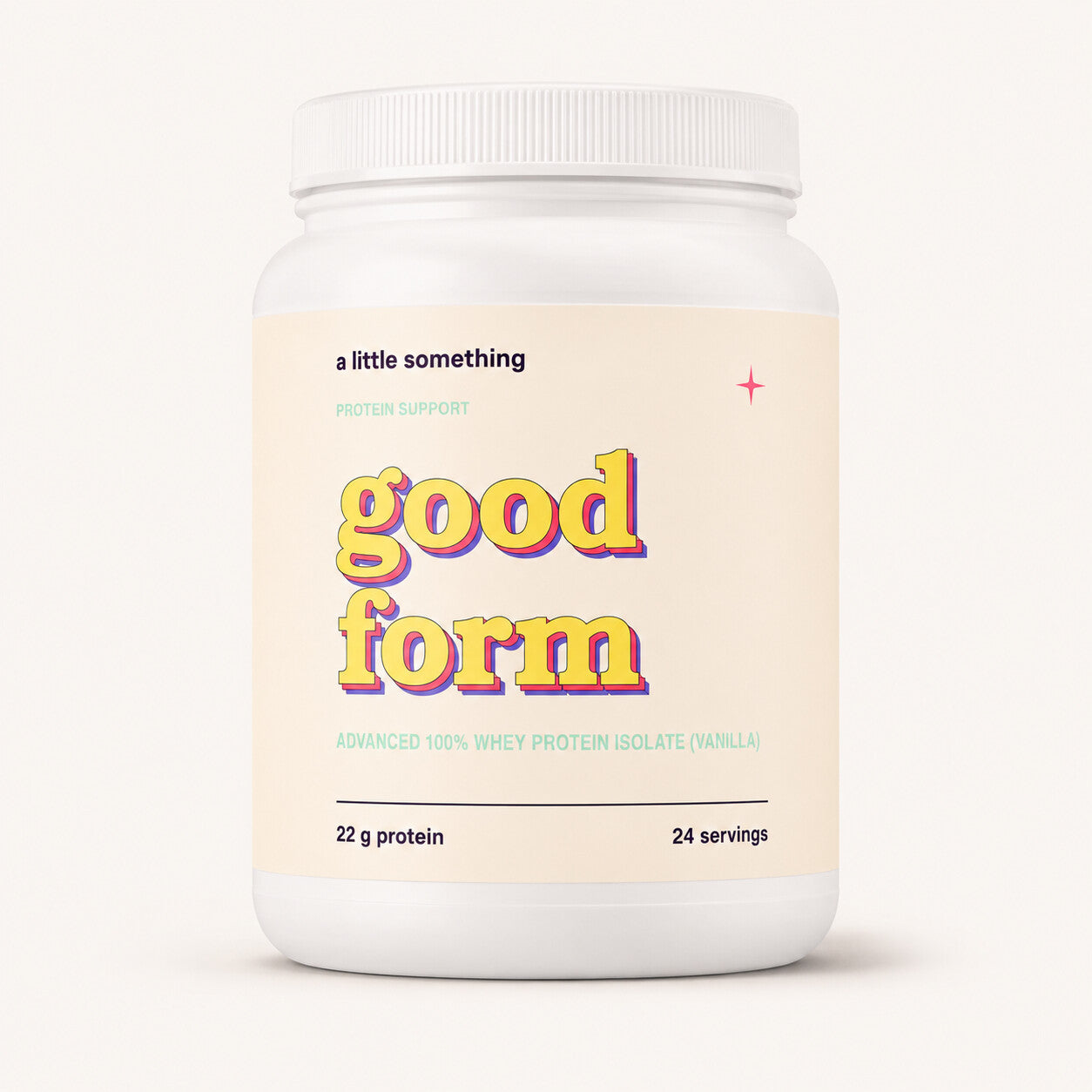
Source
NIH Office of Dietary Supplements: Dietary Supplements for Exercise and Athletic Performance
Educational content for generally healthy adults. If you have a medical condition or clinician-directed protein restriction, seek individualized guidance.